
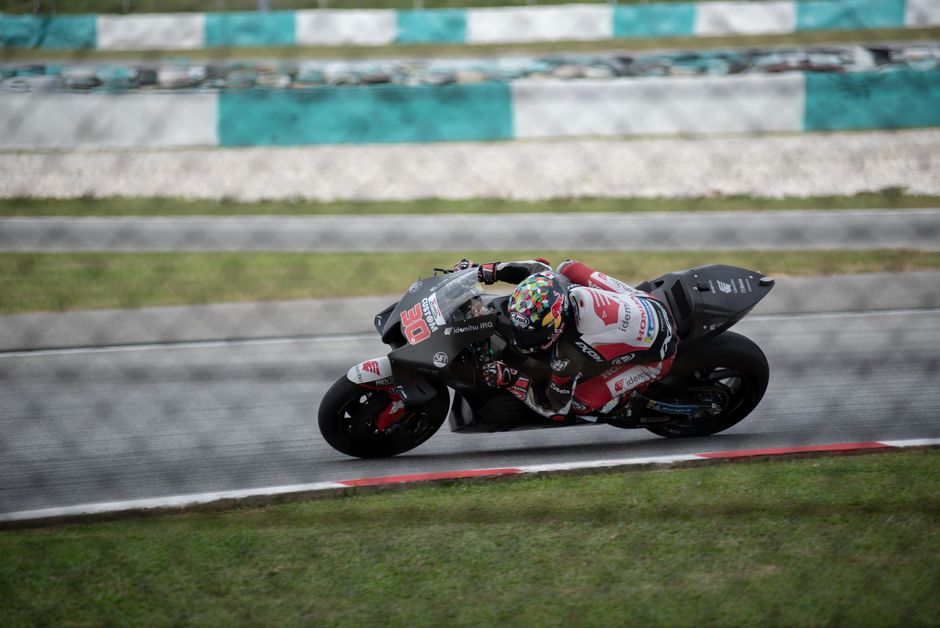
The Bahrain Grand Prix, relocated to the Sepang circuit in Malaysia, has been officially classified as a heat-hazard race due to forecasted extreme conditions at the venue. This marks the third heat-hazard designation issued across the season’s calendar.
Drivers competing at the Malaysian circuit will face severe environmental challenges, with temperatures expected to climb between 31-33 °C alongside high humidity levels. These conditions create demanding circumstances both physically and technically, as the heat directly impacts driver performance, tire management, and overall safety protocols.
Heat Management Solutions
Formula 1 has implemented specific measures to help competitors cope with the intense heat. Drivers now have the option to wear cooling vests during the race weekend, a cooling mechanism designed to regulate body temperature under extreme conditions. However, those who choose not to utilize the cooling vests must carry additional ballast on their vehicles, adding weight that could affect performance and fuel consumption calculations throughout the event.
This regulatory approach ensures fairness while giving teams and drivers flexibility in how they approach the heat challenge. Charles Leclerc and Lewis Hamilton, among the grid’s top competitors, will need to account for these options when developing their race strategies for the Malaysian leg of the championship.
The decision to classify the Bahrain Grand Prix as a heat-hazard event underscores the increasingly challenging environmental conditions that Formula 1 encounters at certain venues. The Sepang circuit’s combination of tropical climate and intense sun exposure has necessitated the heat-hazard protocols, placing additional emphasis on driver fitness, hydration strategies, and vehicle setup optimization.
Teams will spend the coming days evaluating whether cooling vests provide sufficient competitive advantage to offset any alternative strategies, with the final decisions likely varying between different drivers and organizations based on individual preferences and technical assessments.