
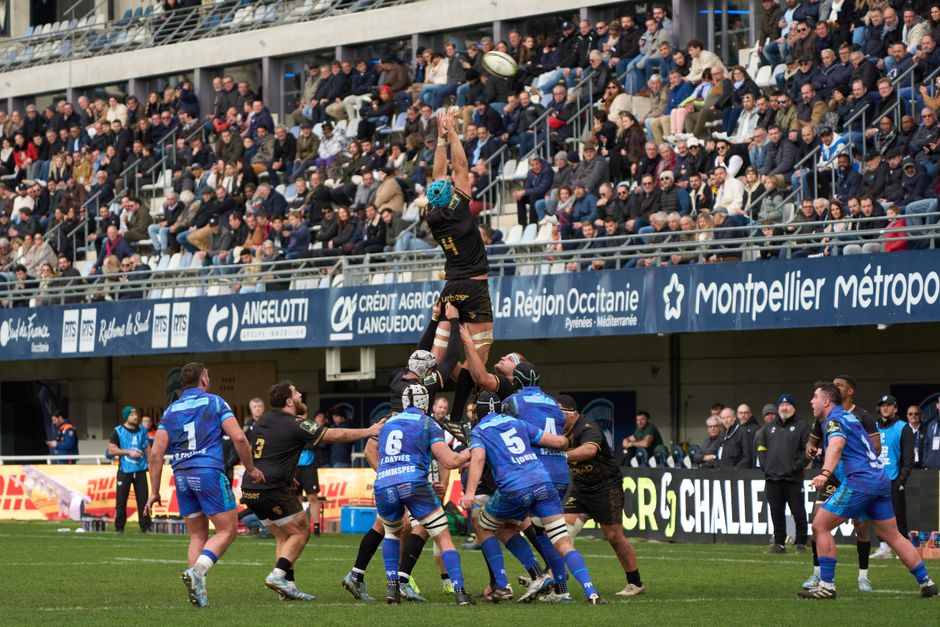
The Super League Grand Final brought together two of England’s most competitive rugby league programs as Warrington Wolves squared off against Wakefield Trinity in a championship battle that showcased the sport’s highest level of intensity and skill.
Grand Final Spectacle
The Super League Grand Final between Warrington Wolves and Wakefield Trinity represented the culmination of the season for English rugby league’s elite competition. Both clubs arrived at the championship match as proven contenders within the Super League structure, having navigated the demanding regular season and playoff rounds to secure their positions in the final.
Key Moments and Action
The match delivered the dramatic moments and technical execution expected from a championship encounter between two established Super League programs. The contest featured the collision of two distinct tactical approaches as Warrington Wolves and Wakefield Trinity competed across all phases of play. Both teams demonstrated the conditioning, skill, and strategic execution required to reach England’s rugby league championship final.
The Grand Final between these sides reflected the competitive nature of modern Super League rugby, where marginal gains in field position, defensive execution, and attacking rhythm often determine outcomes at the championship level. Warrington Wolves and Wakefield Trinity brought their respective strengths to the fixture, creating the type of sustained competitive battle that defines playoff rugby league.
The championship match provided rugby league supporters with an authentic display of the sport’s demands, as both English clubs committed to the physical and technical requirements necessary to compete for the Super League title. The encounter between Warrington Wolves and Wakefield Trinity served as the centerpiece event for the sport’s championship weekend, drawing the attention of the broader rugby league community and demonstrating the profile of competition within England’s elite rugby league tier.