
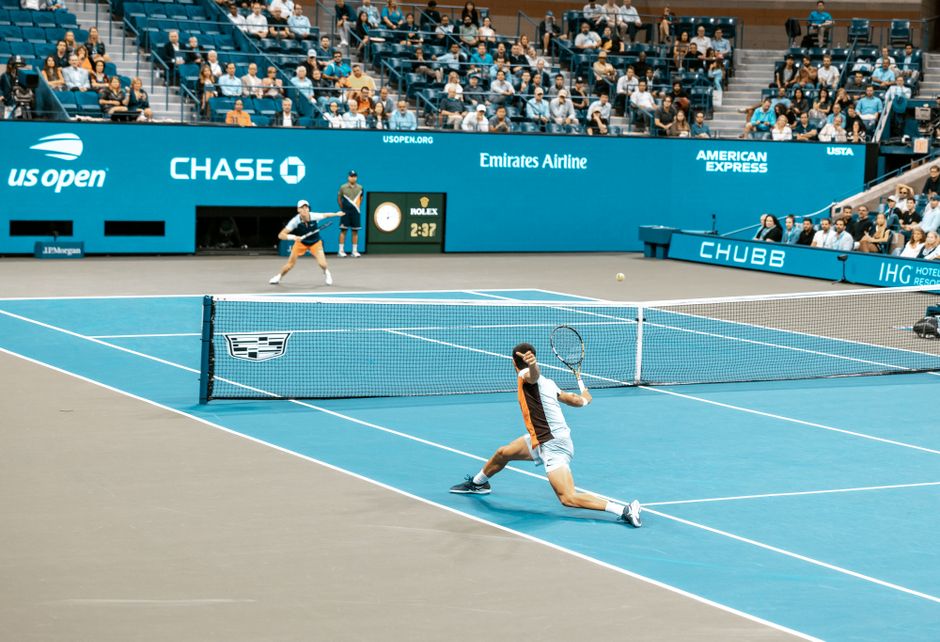
Two of tennis’s brightest stars are intensifying pressure on the sport’s governing bodies to fundamentally reshape the professional calendar. Carlos Alcaraz and Aryna Sabalenka have become vocal advocates for reducing the grueling demands placed on players throughout the year, with both calling for the season to conclude by October rather than stretching into November.
A Crowded Schedule Takes Its Toll
The ATP and WTA Tours operate one of sports’ most demanding schedules, requiring players to compete across multiple continents throughout a relentless campaign that tests physical endurance and mental resilience. Alcaraz and Sabalenka have publicly criticized this structure, arguing that the current calendar fails to adequately protect player health and wellbeing.
Sabalenka has been particularly vocal about the need for change, advocating for player autonomy in event selection. “I would love to see changes to the calendar and eliminate the mandatory events to let the players decide what’s best for their health,” she stated, highlighting frustration with the lack of flexibility in scheduling decisions.
Player-Centered Solutions
The proposals put forward by these top competitors focus on reducing the competitive window and removing the obligation to participate in designated tournaments. By shortening the season and allowing players greater control over their schedules, Alcaraz and Sabalenka believe the sport can maintain its competitive quality while preserving athlete longevity.
Their concerns reflect broader discussions within professional tennis about sustainable scheduling practices. The suggestions from two of the sport’s elite performers carry significant weight as the ATP and WTA Tours consider potential structural changes.
Both players acknowledge that modifications to the current system require coordination between tour officials, tournament organizers, and players themselves. Their public advocacy signals a growing consensus among top competitors that the status quo demands reconsideration.