
The Asian Games 2026 Organising Committee has announced a significant accommodation shortage, with organisers in Japan’s Nagoya and Aichi region unable to house all expected participants. The number of athletes and officials attending the event has climbed to approximately 17,000, exceeding available facilities in the host region.
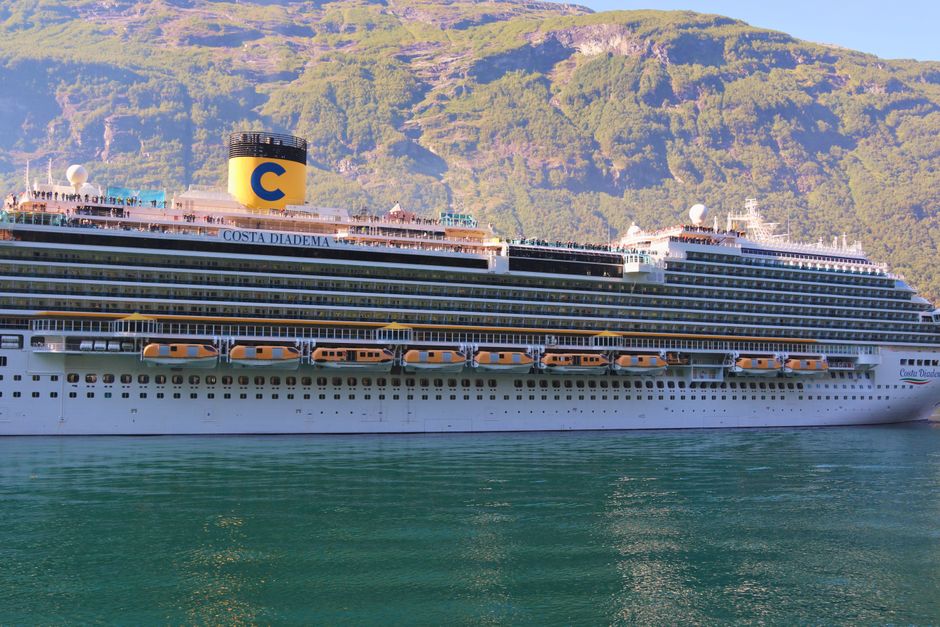
Facing the capacity crunch, organisers have implemented an emergency solution: up to 5,000 athletes will be housed aboard the cruise ship Costa Serena, which will serve as floating accommodation during the Games. However, this measure falls far short of solving the overall problem, leaving thousands of participants to secure their own lodging arrangements.
Officials Acknowledge the Challenge
Ichiro Hirosawa, Mayor of Nagoya and acting chairman of the local organising committee, and Hideaki Omura, President of the organising committee and Governor of Aichi Prefecture, are overseeing efforts to manage the crisis. The shortage represents a substantial logistical challenge for one of Asia’s premier sporting events.
Creative Solutions Required
The decision to deploy the Costa Serena marks an unconventional approach to athlete accommodation at a major international sporting event. By housing 5,000 participants on the vessel, organisers hope to alleviate some pressure on the region’s hotels and facilities. Nevertheless, the remaining thousands must navigate the private accommodation market independently—a departure from typical Olympic and Asian Games hosting arrangements where organisers traditionally provide comprehensive lodging.
The surge in participant numbers has forced organisers to pivot from their original accommodation plans. This development underscores the growing scale of the Asian Games, with the 2026 edition set to be one of the largest in the event’s history. The situation presents both logistical challenges and opportunities for the Nagoya and Aichi region as they prepare to welcome the continental sports gathering.